LNG bunker vessel

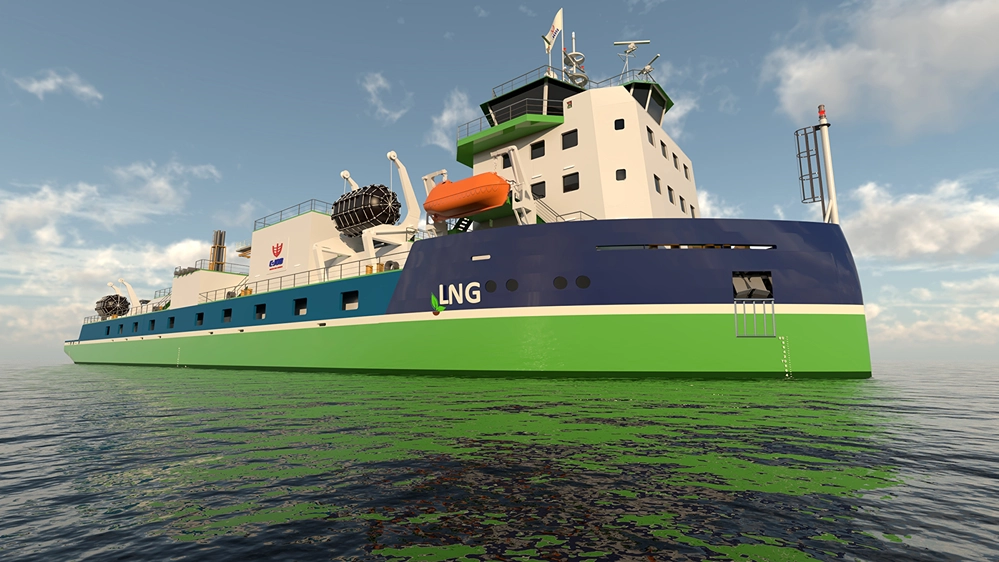
C-Job sees liquefied natural gas (LNG) as a suitable transition fuel for a sustainable maritime industry. However, since only a limited number of LNG bunker vessel designs exist, C-Job created an initial design concept to progress the needs of the industry. The vessel design can be scaled in many different ways, but is mainly intended for bunkering operations within a port, or serving as a short-sea LNG tanker.
About the project

Flexible and compact design   

The vessel is designed for minimum ballast operations, due to its optimized shallow water hull shape. It has a reduced length and draft for operation within ports, fast loading and discharging (with a flow rate of 1000m3/h), and a design which optimizes its steel weight. The compact design ensures reduced operational and maintenance costs, as well as flexibility within the harbor environment.

The vessel is equipped with two bi-lobe IMO Type-C LNG tanks, two deep-well cargo pumps and a BOG management system. For ship-to-ship transfer operations, the vessel has an STS transfer system and an inert gas system.

The main propulsion system is dual-fuel driven and the bunker vessel is designed for operations in port, often in limited space or close to other vessels, so it has excellent maneuvering capabilities. If increased station-keeping is required, space reservation in the design allows for the addition of a retractable thruster at the bow. In addition, the vessel can be be equipped with a hybrid battery system and shore connections to enable charging in a harbor.

LNG bunker vessel

Project highlights

Optimized hull design 

Shallow water hull shape for efficient operation within ports 

Cost efficient 

Compact design reduces operational and maintenance costs 

Highly maneuverable 

Azimuth steering thrusters with nozzles and an electrically-driven bow thruster 

Hybrid power

Dual-fuel driven propulsion with the option of a battery system

LNG bunker vessel

C-Job specialist testimonial

This LNG bunker vessel concept combines flexibility, efficiency and sustainability to meet the growing demand for cleaner fuel solutions in ports, plus better performance for vessel operations. Its design reflects our commitment to supporting a greener maritime future.
Nikos Papapanagiotou
Director Athens at C-Job

LNG bunker vessel

Scope of work

Design and engineering for new-build vessels

Decarbonization, energy efficiency and compliance

LNG bunker vessel

Related case studies

Anna Weber-van Bosse – for NIOZ

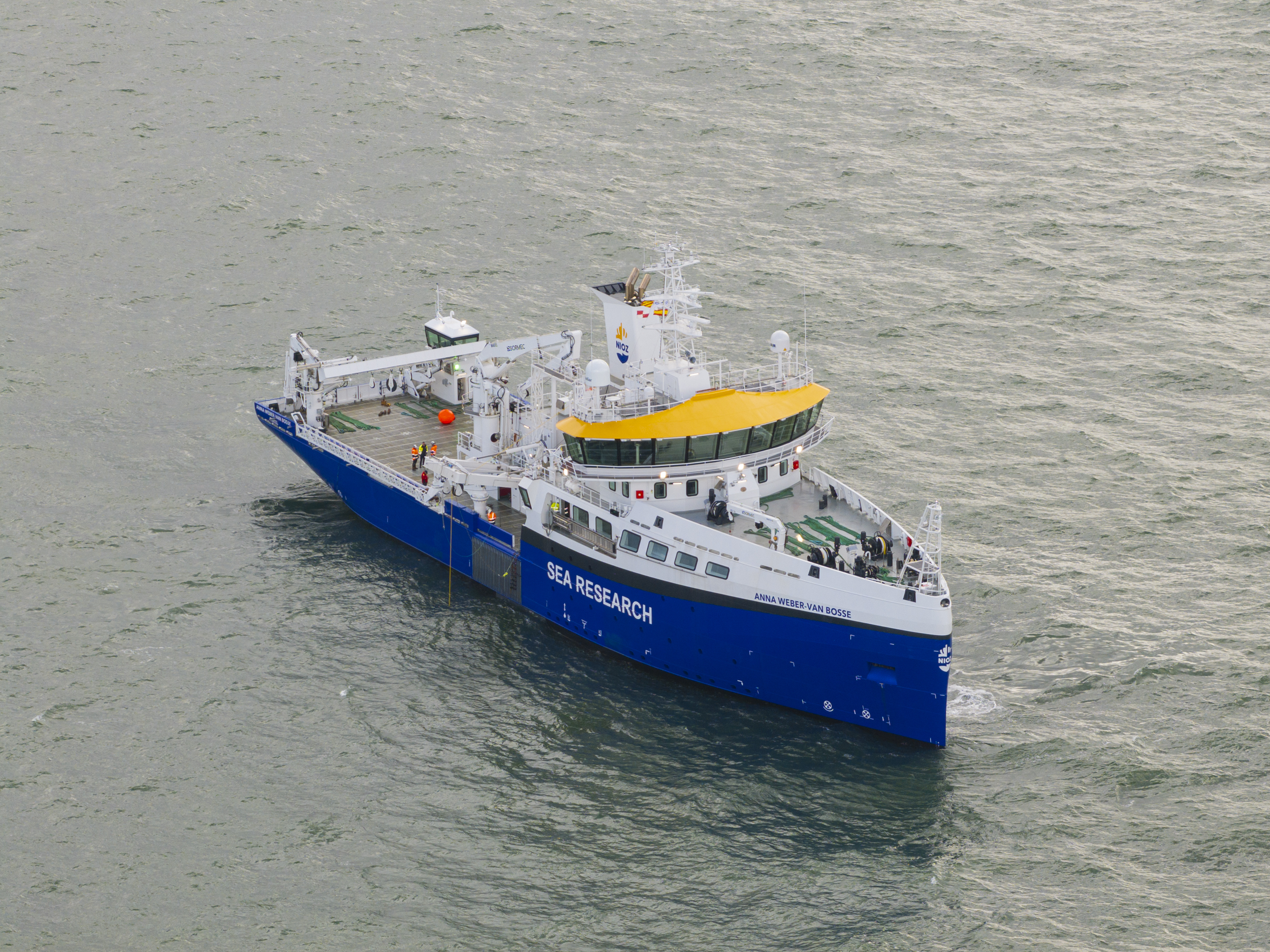
The Pelagia has been the Netherlands' flagship ocean-going research vessel for the past 30 years. When the Royal Netherlands Institute for Sea Research (NIOZ) decided to replace her, the ambition was to build a larger, yet compact vessel, with increased capabilities and improved sustainability. C-Job provided the concept design for the new vessel, the Anna Weber-van Bosse – named after the renowned Dutch botanist and marine researcher.

NH₃ Kraken – for Amogy

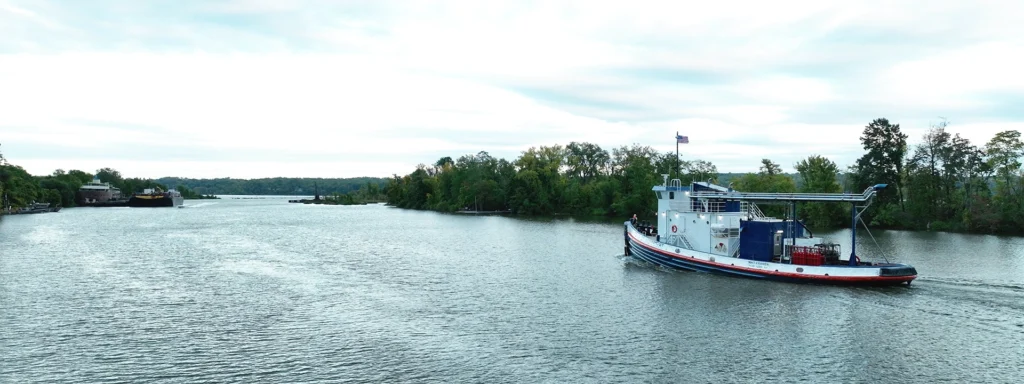
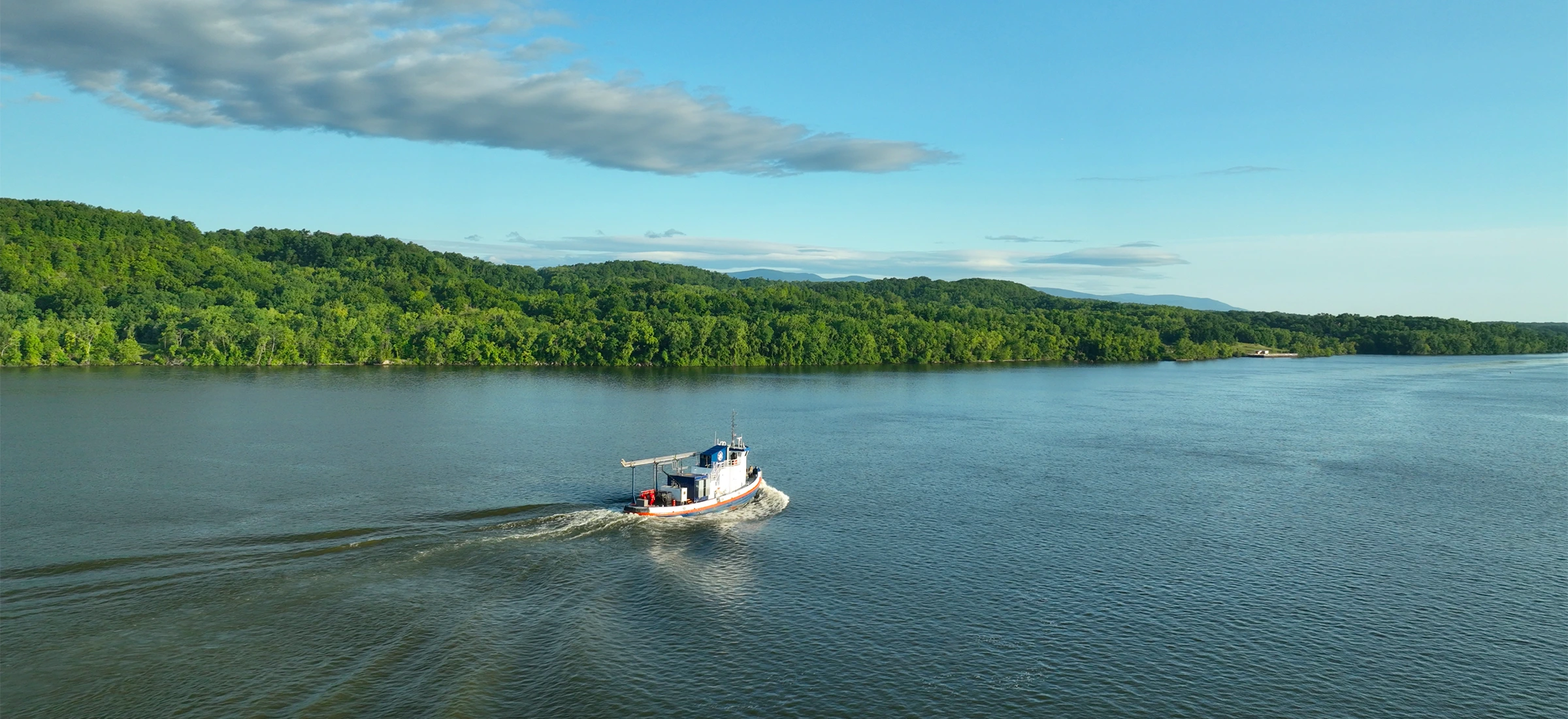
C-Job is helping to pave the way for a greener shipping industry as a knowledge partner for Amogy,a dedicated specialist in ammonia-based energy solutions. We helped integrate the company's revolutionary ammonia-to-power system into the tugboat NH₃ Kraken, and supported onsite execution activities at the shipyard, including modernization, construction, engine removal, and other challenges.

New generation push boats – design for thyssenkrupp Veerhaven

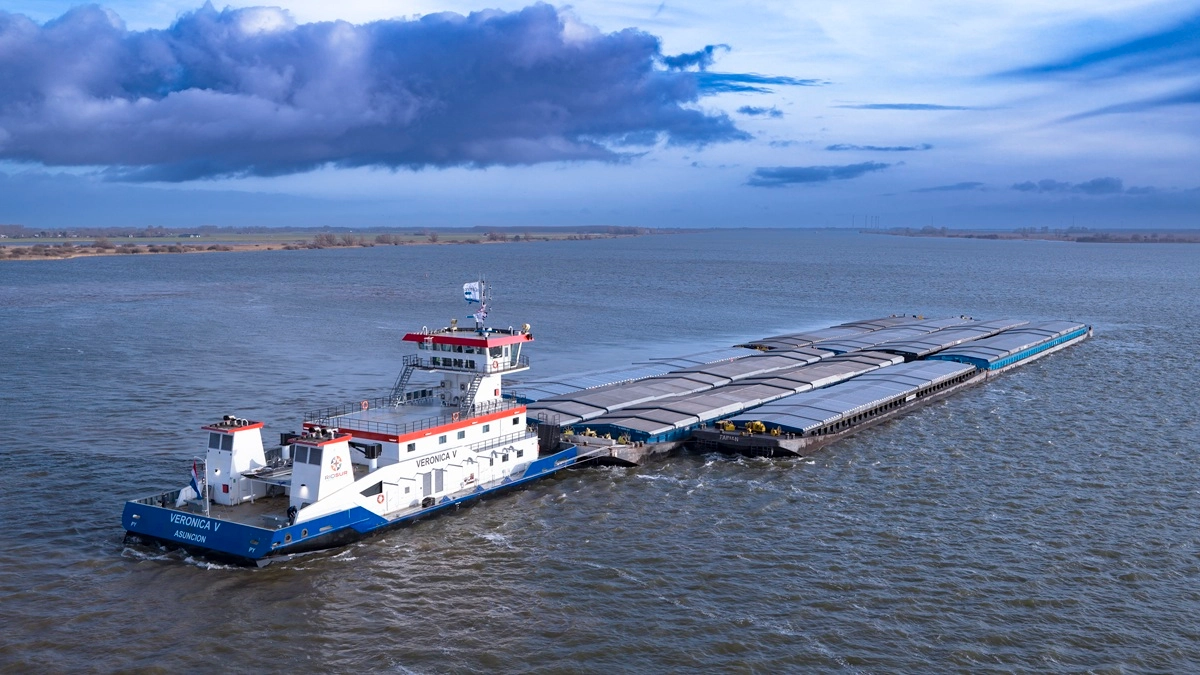
thyssenkrupp Veerhaven is exploring opportunities for a new generation of climate-friendly pusher boats: an EU Stage V emission standards push boat, and/or a dual-fuel methanol-diesel push boat. C-Job provided two different concept designs for each type of vessel, which had to navigate the river Rhine, deliver low OPEX, and provide good crew comfort.

Subscribe to our newsletter

Sign up for our bi-monthly newsletter, the NewsFlash, and keep up to date with C-Job news.