Hoofddorp
Hoofddorp is where it all began for C-Job. The company opened its first office in the Broekermeerstraat area of Hoofddorp in 2007 and grew from there, moving to our current headquarters in 2016. We are close to Amsterdam, a rich area in the maritime sector with several shipyards. Our office is also minutes from Amsterdam Schiphol Airport, which provides easy access for our international clients.
Key personnel
Mark Oxley, General Manager at C-Job
Peter Lankreijer, Operations Manager at C-Job
Contact us
Our focus in Hoofddorp
Solutions
Design and engineering for new-build vessels
Modernization and conversion for existing vessels
Decarbonization, energy efficiency and compliance
Engineering works and integrations
Core Capabilities
Concept design
Basic design
FEM
Stability calculations
Relevant case studies
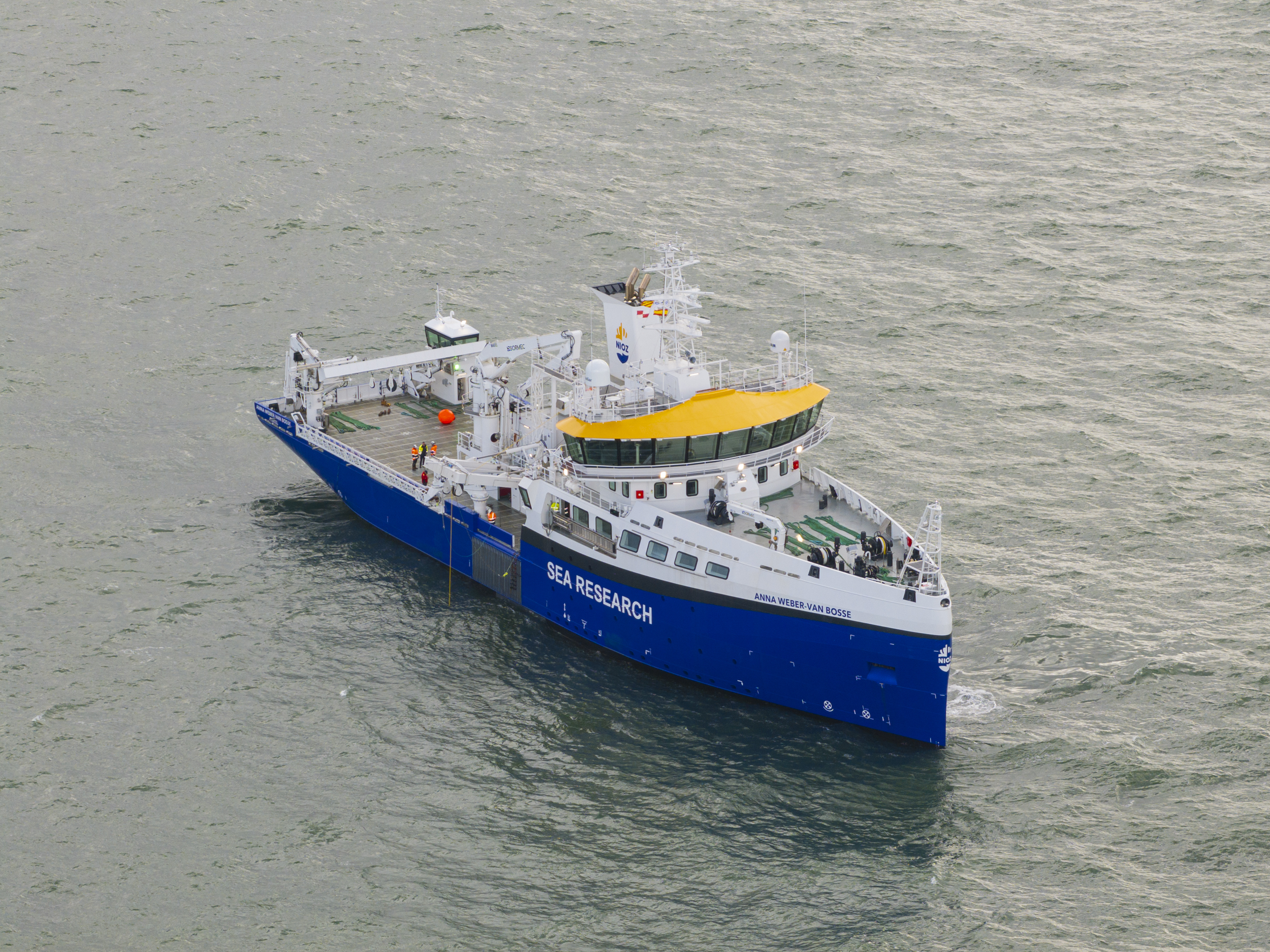
Anna Weber-van Bosse – for NIOZ
The Pelagia has been the Netherlands' flagship ocean-going research vessel for the past 30 years. When the Royal Netherlands Institute for Sea Research (NIOZ) decided to replace her, the ambition was to build a larger, yet compact vessel, with increased capabilities and improved sustainability. C-Job provided the concept design for the new vessel, the Anna Weber-van Bosse – named after the renowned Dutch botanist and marine researcher.
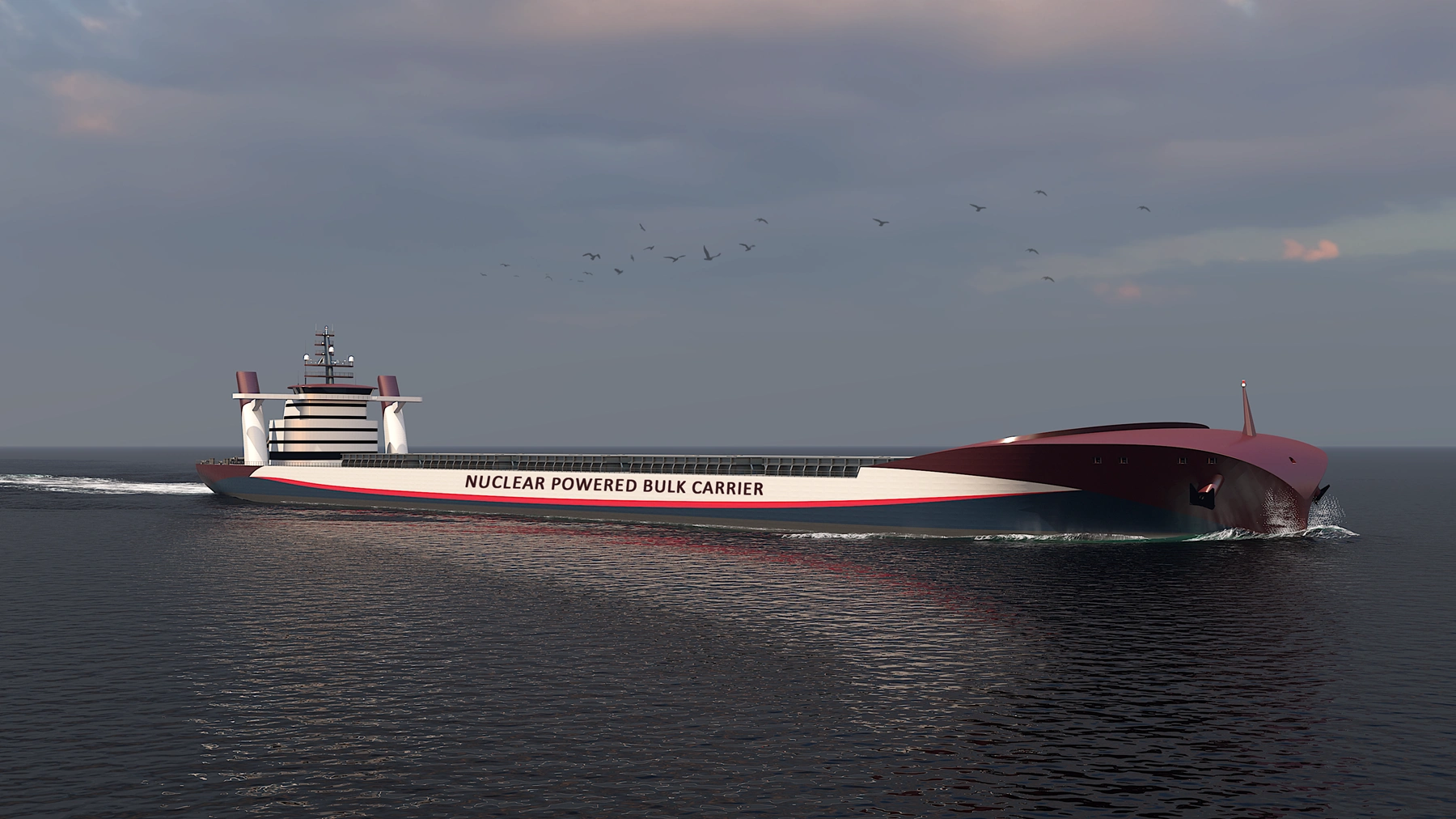
Nuclear study for a bulk carrier
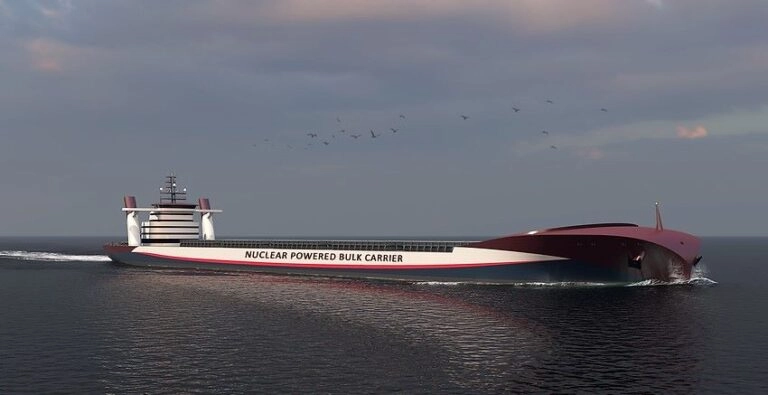
Over the past 10+ years, developments in the next generation of civil nuclear reactors have enabled
a reevaluation of nuclear power and nuclear-powered ships. Working with ULC-Energy BV, C-Job
helped the client to gain insights into the technical and economic consequences of adopting nuclear
power on a bulk carrier – including the potential to reduce harmful emissions for the client’s shipping
operations.
Related news stories
Nuclear power could pave the way for bulkers to sail longer, faster, and cheaper, study finds
Compared to a Newcastlemax bulk carrier powered by conventional very low sulfur fuel oil (VLSFO) and one powered by green ammonia, a nuclear-powered Newcastlemax bulk carrier could sail longer, faster, and cheaper, without producing greenhouse gas (GHG) emissions, a new study found.