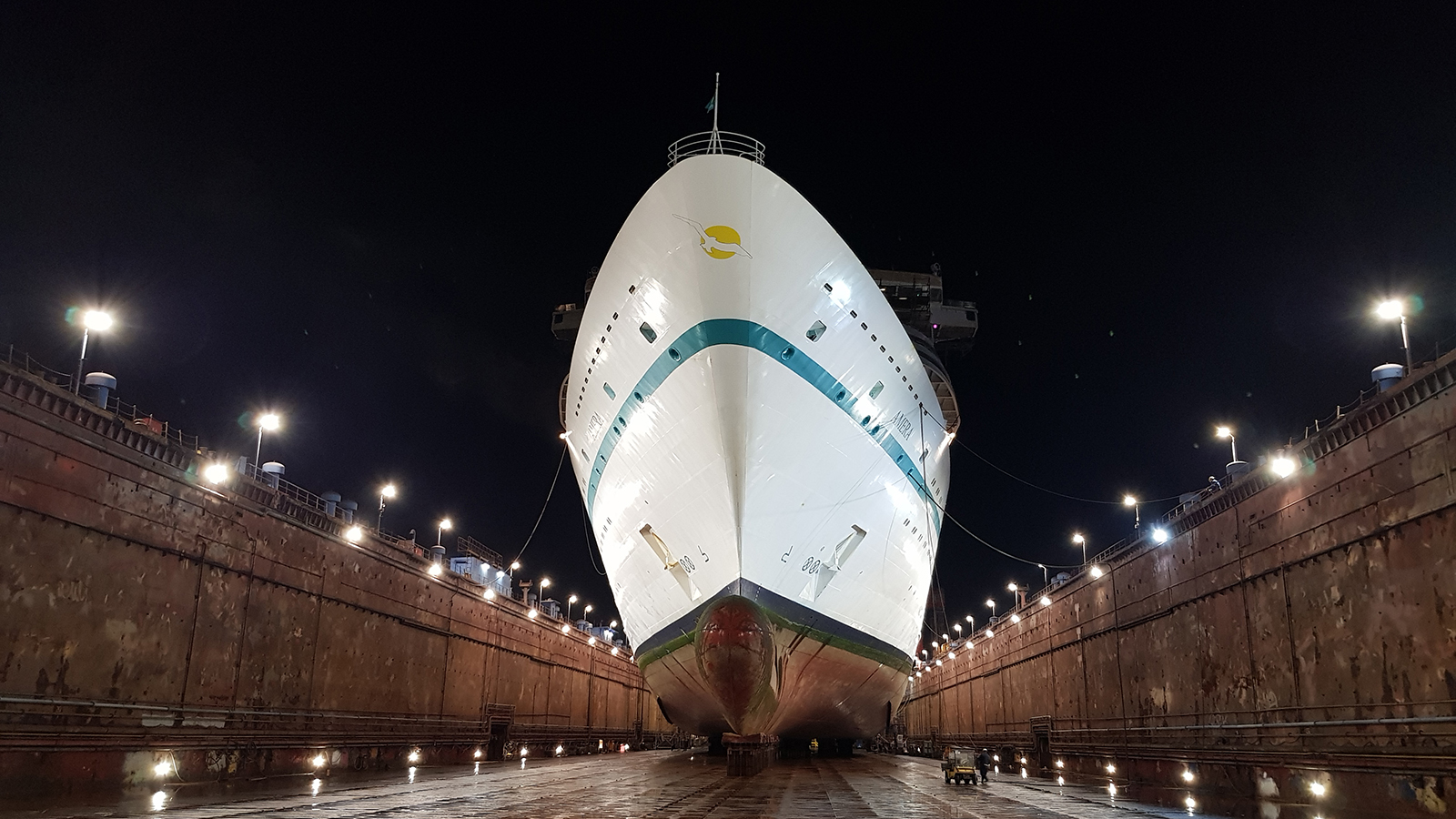
600-passenger vessel – for a German cruise company
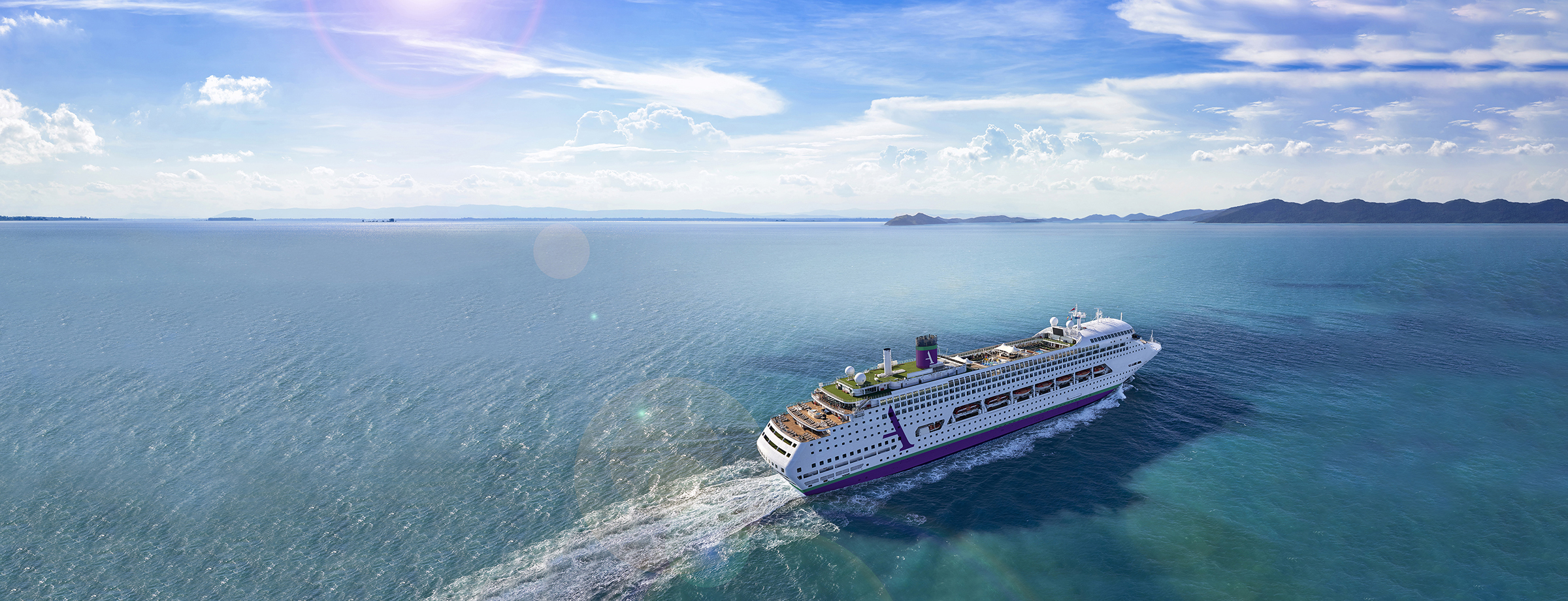
C-Job supported a family-owned cruise company when a ship needed Tier III modifications to become compliant with Norwegian Heritage Fjords and Mediterranean sailing regulations. This required a comprehensive upgrade to the vessel’s power system.
About the project
Groundbreaking solution is a first
C-Job investigated various solutions for the client, including replacing the engines with new versions of equipment that were already being used, upgrading the electrical power system to direct current (DC), powering the generators directly from the drive shafts, and replacing the propellors. We also investigated the vessel design load cases, to see where emissions improvements could be made.
The results of our study concluded that in order to meet Tier III requirements, all seven existing engines on the cruise vessel needed to be replaced by four new engines to create a system that would run much more efficiently and meet the required emissions target.
C-Job was responsible for the full design scope and structural and mechanical engineering involved in the modifications, which also included creating space for battery installation in the future.
During the drydocking, C-Job provided assistance with onsite supervision and planning, and interface management on the build. As a result, C-Job collaborated with our customer from start to finish in the project, from the feasibility studies, to the concept, basic, and detail design, the drydocking and commissioning, and finally the sea trials of the vessel.
600-passenger vessel – for a German cruise company
Project highlights
One-of-a-kind solution
Major design and engineering challenges resolved in an existing structure
Close collaboration
Between all stakeholders and suppliers and our customer
Significant emissions reductions
Tier III compliance achieved to reduce NOx emissions
Full project support
From feasibility studies through to final sea trials
600-passenger vessel – for a German cruise company
C-Job testimonial
“It was a huge learning experience as we encountered some unique challenges, as can be expected on such a groundbreaking project. Being onboard the vessel at the yard for a large portion of this modernization enabled us to swiftly support the client with a great number of in-situ challenges, and the large engineering team in C-Job's offices helped to streamline that process."
Bart-Jaap Dilg
Modernizations & Conversions Manager at C-Job
600-passenger vessel – for a German cruise company
600-passenger vessel – for a German cruise company
Related case studies
Cruise vessel – for family-owned cruise company
A leading German company which provides service offerings to the cruise sector required upgrades to a vessel built in 1991, which has been operating under various owners over the years. The ship, which can accommodate up to 1,400 guests, was upgraded with emission reduction technologies in order to comply with IMO Tier III exhaust emission regulations. C-Job provided the concept design for the exhaust gas treatment system, and basic and detail design for the modification.
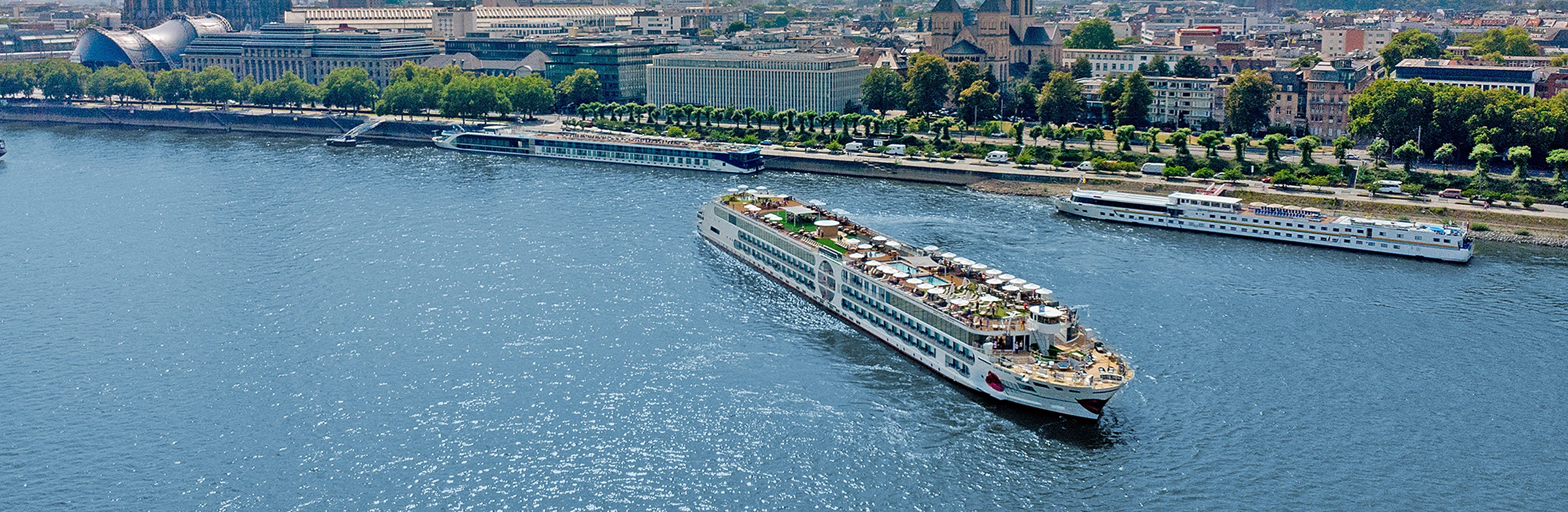
C-Job supported Concordia Damen with the concept, basic and detail design and engineering for the A-Rosa Sena, a river cruise vessel. Designed for A-Rosa Cruises, the German cruise company, the vessel is the largest capacity ship in its fleet, with a record total of 140 cabins for 280 guests. A standout feature of the design is an additional fourth accommodation deck compared to conventional vessels on this cruise route.
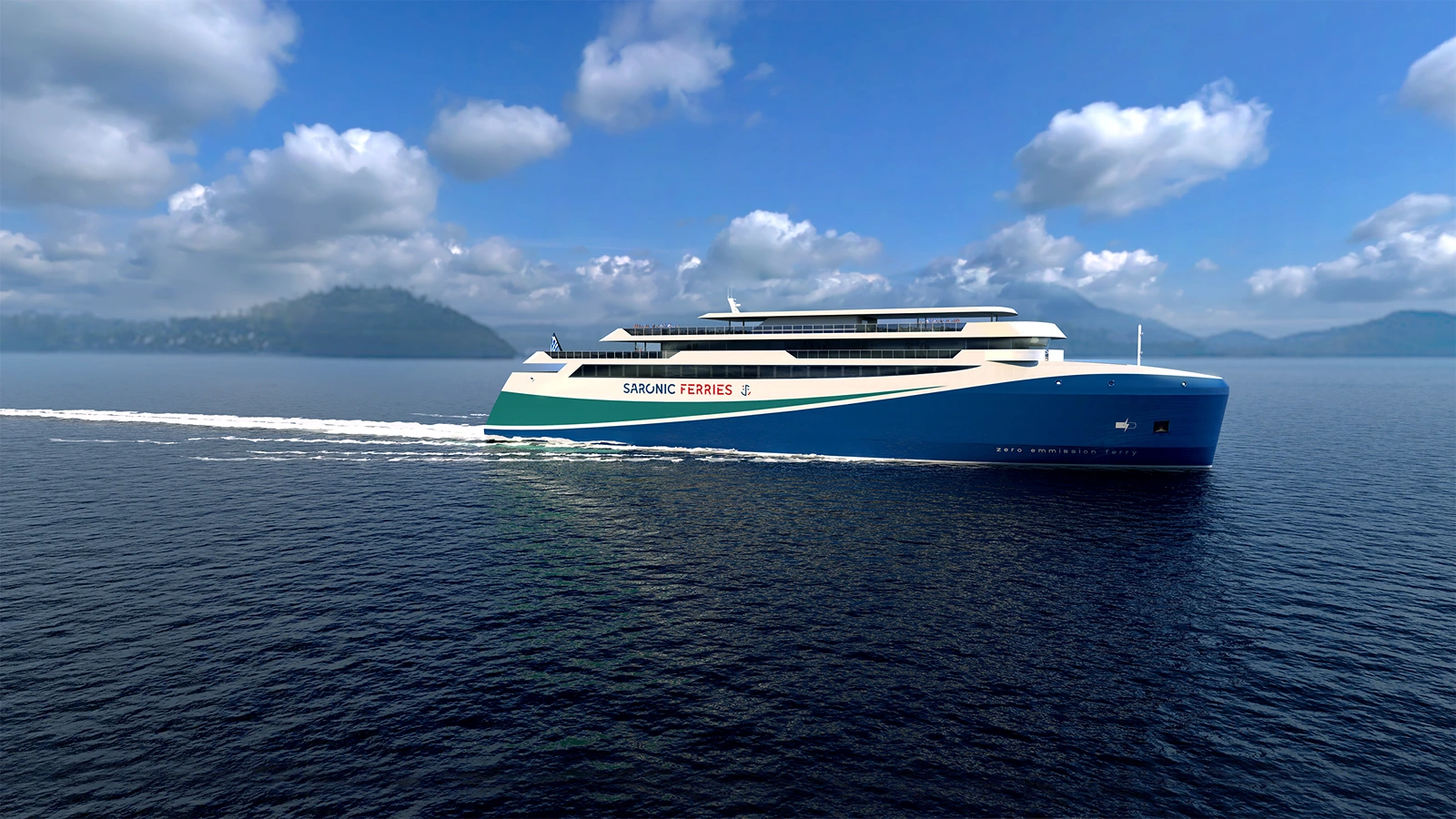
Based on our history and experience in electric ferries, C-Job was engaged to work on a fully electric, zero-emission 85-meter ferry for Saronic Ferries in Greece. This concept design required C-Job to balance optimized onboard energy usage with sufficient battery power to meet the electrical propulsion demands of a longer-haul ferry.