latest insights
For Polish yards, fabricators and operators, offshore wind offers several routes into a specialist market. The challenge is translating unfamiliar requirements into a clearly defined, buildable project.
An offshore wind enquiry arrives on a commercial director’s desk. It could concern a service operation vessel, an installation-support craft or a structural package for an offshore substation platform.
The scope appears to fit the yard’s capabilities. But before the team can prepare a confident offer, questions emerge. Which requirements demand specialist knowledge? Where does the yard’s responsibility end and the equipment supplier’s begin? Can the design be built efficiently using existing facilities?
These questions do not necessarily reveal a lack of capability. They reveal where operational requirements, specialist engineering and production knowledge must come together. Resolving them early provides a stronger basis for bidding and delivery.
A broader opportunity than vessels alone
Offshore wind opportunities extend beyond vessels to associated installations, including substation platforms. Different vessel roles also bring different requirements. Crew transfer vessels transport technicians and equipment. Service operation vessels provide an offshore base for maintenance teams. Cable layers, installation-support craft and heavy-lift vessels support construction and connection activities.
A yard should identify the scope that best matches its strengths. That might mean building a complete vessel, fabricating a substation structure, delivering an outfitted module or undertaking a defined engineering package. The strategic question is not simply, “Can we enter offshore wind?” It is, “Which part can we deliver well, and what expertise will we need?”
Start with the operation; not the equipment list
For owners and fleet managers, the starting point should be the work the vessel must perform. How far will it travel? How many technicians and how much equipment must it carry? Will personnel return to shore daily or remain offshore? What operating conditions and transfer arrangements must the design accommodate? These questions should shape the specification before major equipment choices become fixed.
Operational profile analysis provides a basis for examining vessel size, speed, mission equipment and energy requirements. It allows assumptions to be tested: is the proposed capacity necessary? Could another arrangement support the mission?
Sometimes this confirms the original direction. Sometimes it identifies alternatives. The objective is a defensible specification, supported by operational needs rather than inherited assumptions.
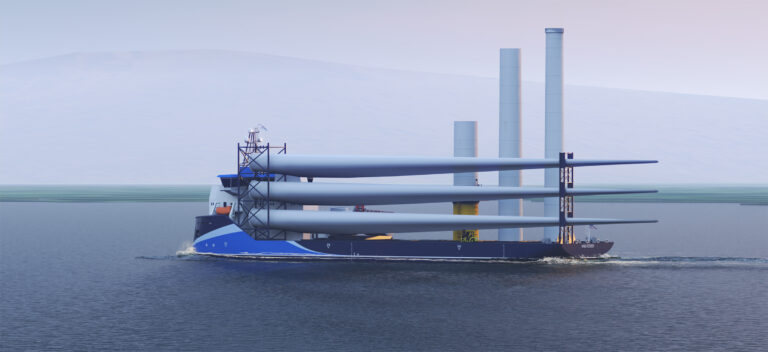
Performance depends on coordinated design
A service operation vessel illustrates why offshore wind engineering requires more than selecting suitable components. Personnel transfer involves the relationship between vessel motion, station-keeping performance, gangway capability and the receiving installation. Motion comfort also matters for people travelling, living and working aboard. These subjects should be assessed together.
Where dynamic positioning is required, its relationship with propulsion, power generation and control systems must be addressed. Gangway location influences access routes. Deck layouts must account for equipment handling, personnel movement and maintenance; not simply whether everything fits. A useful design review asks whether the complete arrangement supports the task. Can personnel move safely? Can stores reach their destination without obstructing other activities? Can equipment be maintained without impractical access constraints?
Offshore substations: More than a structural package
Offshore substation platforms require the same attention to coordination, applied to a different scope. The structure must accommodate equipment and systems while allowing for installation, inspection and maintenance. Foundations, cable routes, utilities, access and safety provisions should be developed as connected parts.
For a fabricator, early questions include:
- Which supplier information is needed before structural details can be finalized?
- Where must openings, routes and equipment clearances be reserved?
- How will equipment be installed, maintained or replaced?
- What requirements apply during transportation and offshore installation?
- Who is responsible for each interface?
The answers should inform a responsibility matrix and an agreed information schedule. The aim is to prevent requirements from falling between the scopes of designers, fabricators, outfitting contractors and suppliers.
Buildability belongs in the early discussion
Technical feasibility is only part of the decision. The project must also fit the production environment. A structural arrangement may satisfy design requirements while restricting welding access. An equipment layout may work in its final position but complicate installation. A proposed module may exceed the yard’s handling capacity. These issues deserve attention before they become production constraints.
A constructability review should consider crane capacities, fabrication limits, assembly methods and outfitting access. Documentation should arrive in agreed formats, at the appropriate level of detail and in line with production needs. A coordinated model is useful, but its value depends on how effectively it supports procurement, fabrication, assembly and testing.
Partnership should address the actual gap
A yard does not need every offshore wind competence in-house. It needs to understand where its expertise is sufficient and where support would help. An experienced engineering department might need specialist input or additional capacity. A business entering a new project type might benefit from feasibility work, scope definition or tender review.
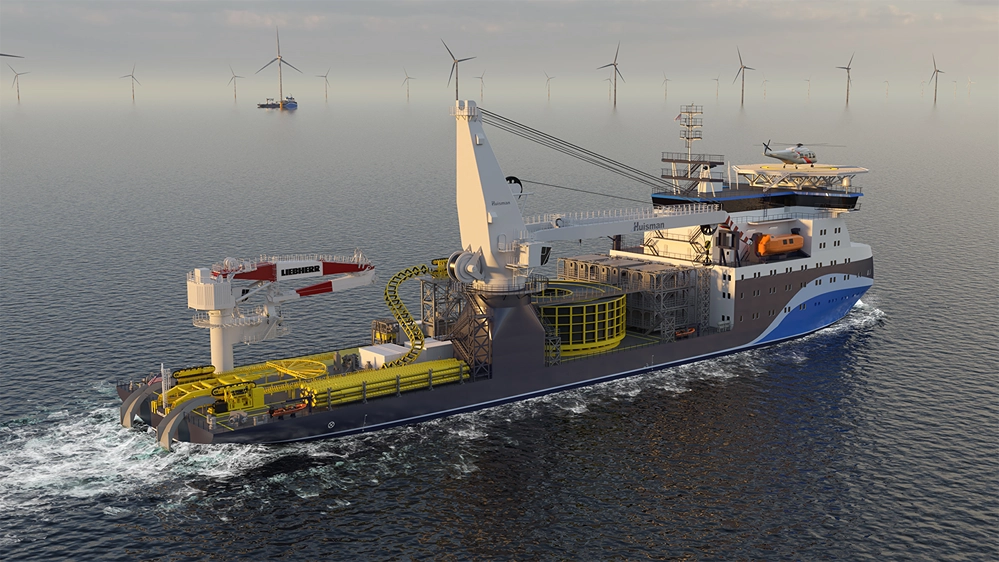
Putting the approach into practice: C-Job Poland
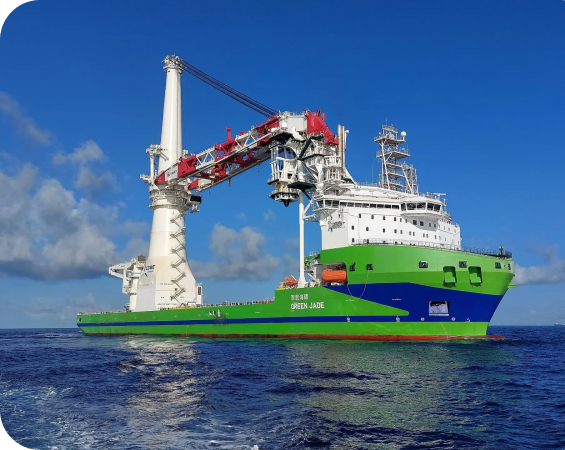
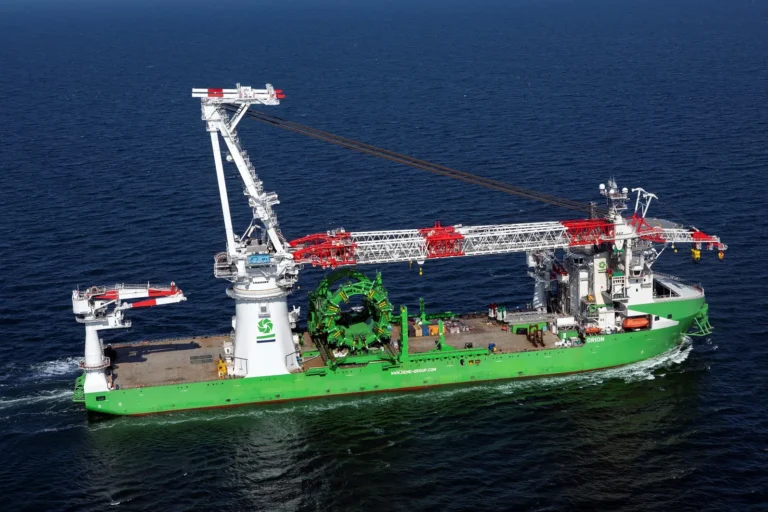
C-Job Poland offers local engineering support backed by the wider group’s offshore vessel experience. Projects including Green Jade and Orion provide relevant experience in mission-equipment integration, structural design and translating operational requirements into vessel engineering. C-Job Poland also has experience in offshore substation-related projects, extending its support beyond vessels.
Its “Centered on your needs” approach starts with the client’s objective before defining the engineering response. That may involve validating assumptions, clarifying interfaces, developing production documentation or adding specialist capacity alongside an existing team.